Buying A New Furnace? Here’s What You Should Know

September 28, 2026

At Woodbridge GTA ClimateCare, we care about our customers. This is why we like to keep you informed about heating and cooling your home. In this instance, we’ll be discussing buying a new furnace, necessary upkeep, and how to keep it running for years to come.

HOW LONG DOES A NEW FURNACE LAST AND HOW CAN YOU EXTEND ITS LIFE?

Buying a new furnace is a great investment. It guarantees new, clean working parts, and a warranty for repair and replacement. A new furnace is expensive, so maximizing its lifespan is important. Your furnace will last longer before replacement if you take care of it.


One of the questions we get in the furnace repair industry is, “How long does a furnace last?” This is a great question. On average, a well-maintained furnace lasts anywhere between 15 and 20 years. Some exceed these expectations, but that requires some extra diligence on your part.

FACTORS WHICH AFFECT FURNACE PERFORMANCE

“How long does a furnace last?” isn’t the only question we receive regularly regarding home heating. Many clients also want to know about the elements, which affect overall furnace performance. Here are some of the main factors influencing longevity.


1. Price – The cost of a new furnace changes with manufacturer and size. For a high-quality furnace, you’ll pay more, but you’ll also get more life out of it. In Canada, the average furnace can cost anywhere from $3000 to $5500. Of course, you can also find units below-market pricing for around $2500, or above-market pricing at $6000. Mid-range furnaces run well, but most heating specialists will warn against buying a discount furnace.


2. Size – The size of your furnace also impacts performance. Your furnace size should be dictated by the space it’s designed to heat. For this reason, it’s good to get the input of a specialist before buying. A furnace that is too small will work harder to heat the space it’s in, and this could cause problems. Similarly, a furnace that is too large for the home where it’s installed could overheat the space.


3. Maintenance – Annual checkups from a furnace repair professional is an excellent way to guarantee maximum

longevity. There are also things you can do at home to maintain your furnace. These include:

  • Regularly changing filters
  • Cleaning air vents and ductwork
  • Clearing space around the furnace
  • Using the right-sized filters for your unit


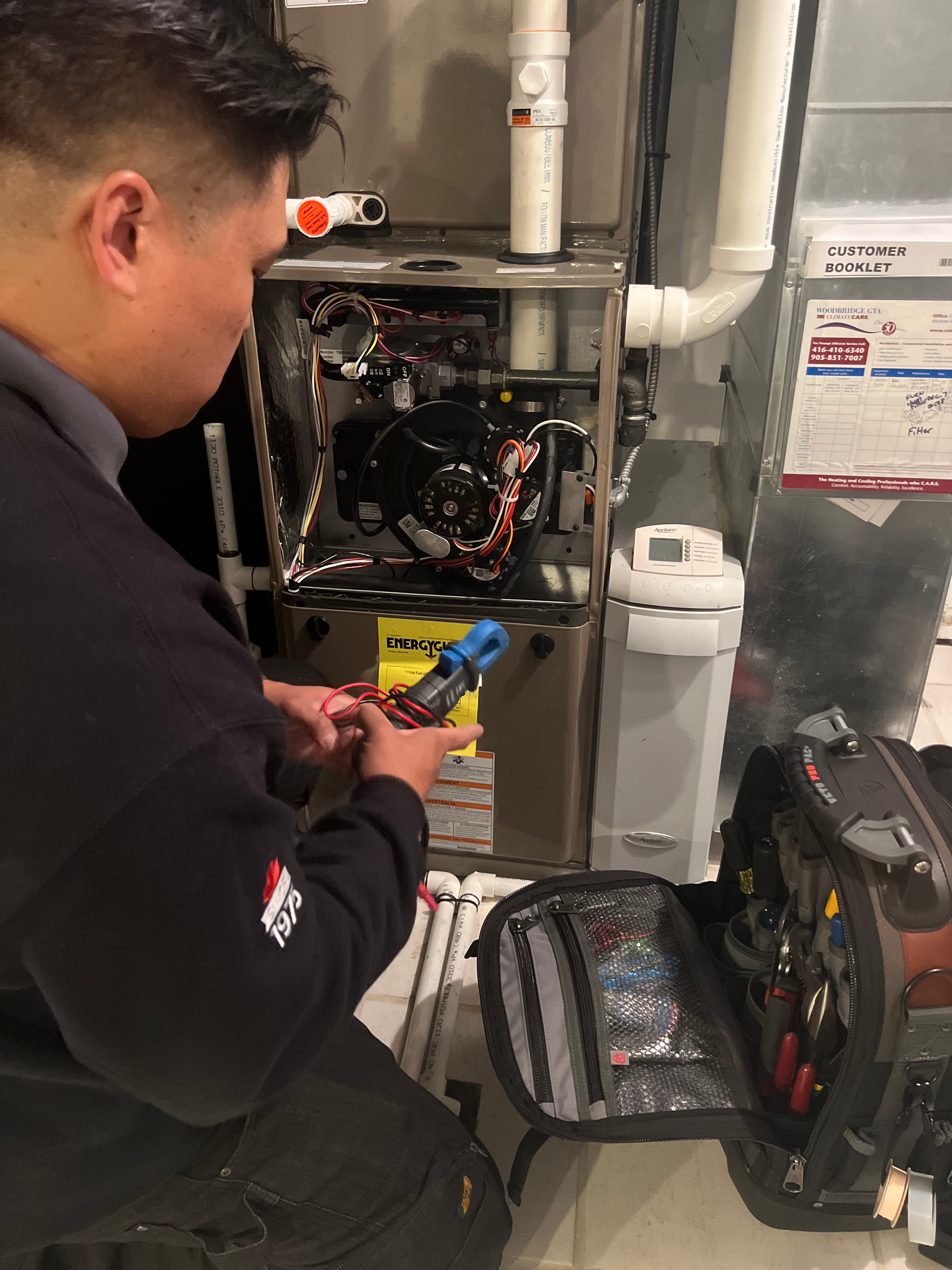
With these strategies in mind, keep an eye on furnace productivity and performance. If you notice the house isn’t heating as quickly, or there are odd smells coming from the ductwork, contact our team today.

GET THE BEST SERVICE FOR YOUR FURNACE

Maintaining a new furnace takes time and patience. Working with the best heating and cooling specialists will help reduce future repair costs. At Woodbridge GTA ClimateCare, our service technicians are well-versed in furnace repair. Want to learn more about furnace upkeep? Contact us today and talk to one of our specialists. We’re always happy to help homeowners in Woodbridge, Vaughan, and the GTA find home comfort solutions that work for your home, family, and budget.
August 27, 2026
Just because you can DIY HVAC repairs, doesn’t mean you should. We dive into the quick HVAC repairs you can DIY and when to leave the repairs to a professional.
July 28, 2026
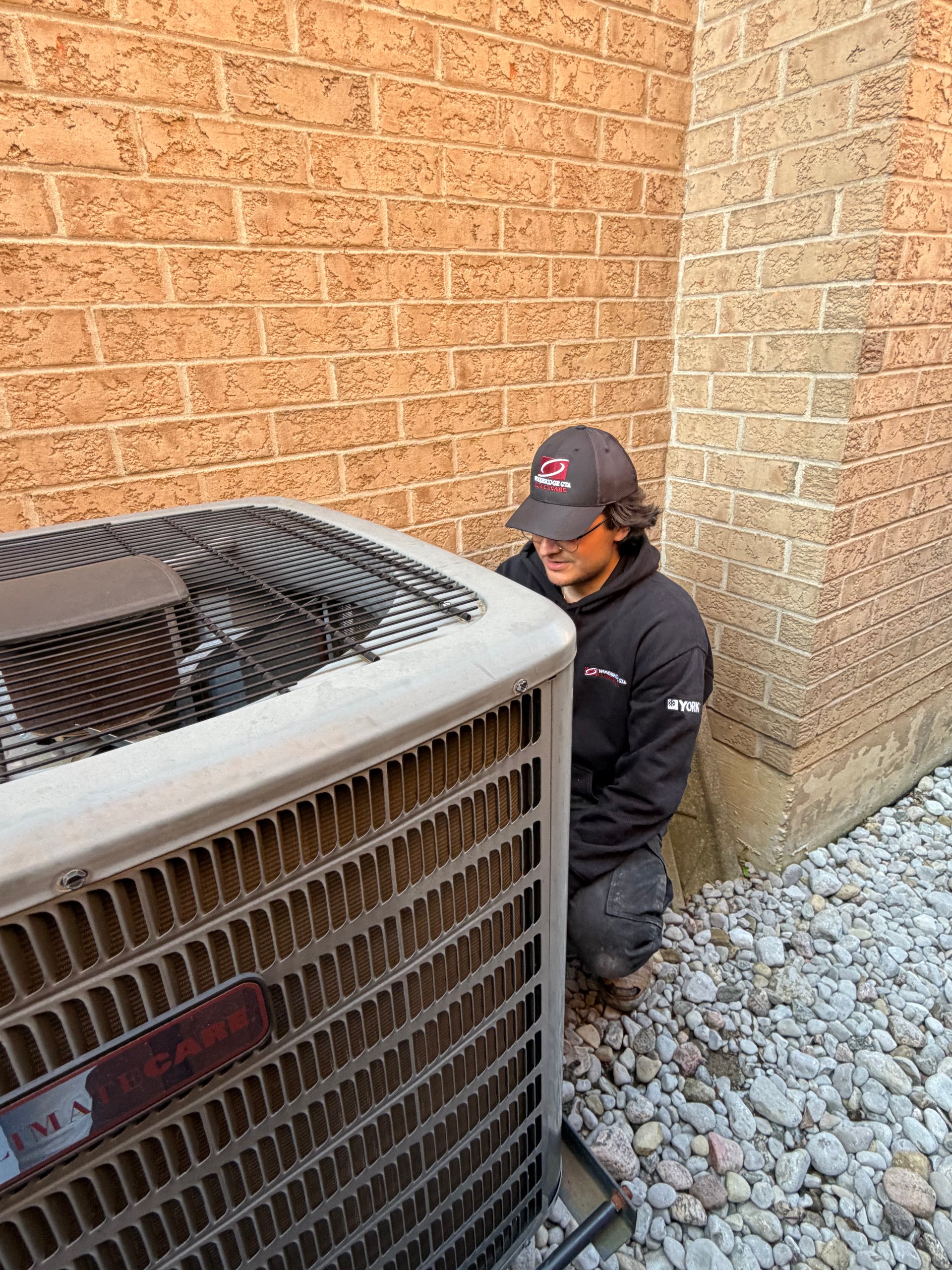
Seasonal air conditioner maintenance extends the lifespan of your unit. To keep everything in good shape between maintenance visits, here are a few tips.
July 2, 2026
The following tips in this blog post will help you ensure the durability and longevity of your new air conditioning system.
May 27, 2026
Installing modern air conditioning in older homes can be tricky, especially when trying to keep the original look and feel intact without major construction. Traditional HVAC solutions often fall short in addressing these issues effectively without compromising the historic value of the property. This is where the Unico System comes into play: a small-duct high velocity system with a minimal footprint. Keep reading to find out how Unico provides a totally viable AC solution for older homes. Many of these structures were built without the ductwork necessary for traditional central air systems, making standard installations difficult without significant modifications that could disrupt their integrity. Some of these challenges include: Structural Limitations: The lack of existing ductwork and the potential for structural damage from installing new ducts are major considerations. Preserving the Aesthetic: Maintaining the original appearance of old homes is often a priority. This can limit the types of air conditioning systems suitable for installation, as many require alterations that could permanently change character-defining features. Space Constraints: Older homes often have smaller rooms and less closet space, which complicates the installation of large indoor air conditioning units. Energy Efficiency Concerns: Many older homes are not as well-insulated as newer builds, which can lead to higher energy costs.
February 24, 2026
Winter is when your boiler works its hardest and when small issues can quickly turn into big problems. The last thing any homeowner wants is a heating failure during a cold snap. This is when service availability is notoriously limited, and repairs are often more urgent (and costly). Knowing these early boiler warning signs can help you address problems before they disrupt your comfort and your plans. Cold or Uneven Radiators If your boiler is running, but some radiators stay cold or only warm up partially, it’s a sign that something isn’t right. Common causes include trapped air in the system, sludge buildup, or circulation issues. Left unresolved, cold radiators force your boiler to work harder, increasing energy use and wear, often right when demand is highest. That very well may lead to failure when you need it most. Unusual Kettling or Rumbling Noises A boiler should run quietly. If you hear rumbling, whistling, or kettle-like noises, it usually means limescale is restricting water flow inside the heat exchanger. Scaling reduces efficiency and can lead to overheating or internal damage. During winter, these noises often worsen as the system runs more frequently. Only regular maintenance can keep this at bay. Pilot Light or Ignition Problems Older boilers rely on a pilot light, while newer systems use electronic ignition. If the pilot keeps going out, or your boiler displays error codes or fails to start, heating can stop entirely. Ignition issues won’t fix themselves. During cold snaps, a simple ignition fault can quickly turn into a no-heat emergency if ignored. Frequent On-and-Off Cycling A boiler that turns on and off repeatedly in short bursts is short-cycling. This can be caused by thermostat problems, incorrect sizing, pressure issues, or internal faults. Short-cycling increases fuel consumption and puts unnecessary strain on components, which is exactly what you want to avoid during extended winter use. Why You Don’t Want to Delay Boiler Repairs in Winter Even minor boiler problems tend to escalate faster in cold weather. Delays in repair can lead to: Higher heating bills Reduced system lifespan Sudden breakdowns during extreme cold Limited service availability around holidays Addressing warning signs - like the ones listed above - early helps protect your comfort and avoids last-minute repairs that cost a fortune. You Know Who to Call: Woodbridge GTA ClimateCare If you notice any of these signs, it’s best to have your boiler checked by a professional before winter conditions worsen. At Woodbridge GTA ClimateCare, our technicians can diagnose issues, recommend practical solutions, and ensure your system runs safely and efficiently throughout the holidays. Contact us today to book an inspection. We proudly serve Toronto, Etobicoke, Mississauga, Richmond Hill and the surrounding communities.