The Homeowner's Breakdown of Seasonal Furnace Tune-Up Pricing
What to Budget for Annual Furnace Maintenance

Start with a written local quote rather than a generic price range. Your annual furnace maintenance cost will depend on what the visit includes, your furnace, and whether you choose a one-time service or a plan. Ask for a written quote in Canadian dollars that separates the visit fee from any repairs.
A tune-up is best booked before the heating season, when you have time to fix problems before a cold night.
Understanding your annual furnace maintenance cost helps you plan for reliable heat.
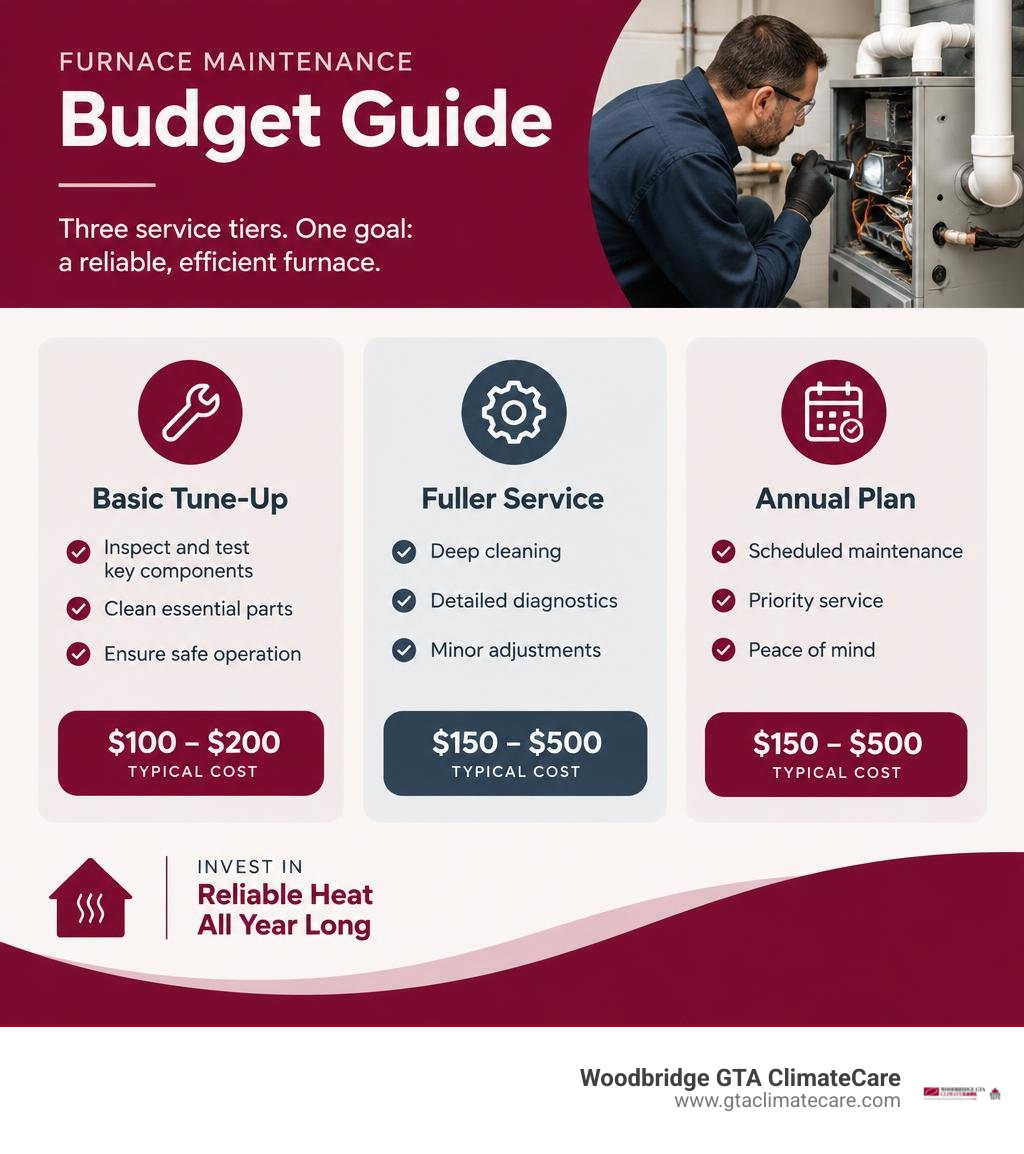
Comparing Annual Furnace Maintenance Services
When budgeting for heating care in Woodbridge, Vaughan or elsewhere in the GTA, compare written quotes in Canadian dollars. Ask whether each quote covers an inspection, cleaning, diagnostic testing and adjustments, and whether repairs cost extra.
Compare what each service level includes:
- Basic Safety Inspection: A technician checks basic operational controls, tests for carbon monoxide leaks, visually inspects the venting system, and verifies that safety switches respond properly. This service confirms your equipment runs safely, but it does not include deep cleaning or fine mechanical calibration.
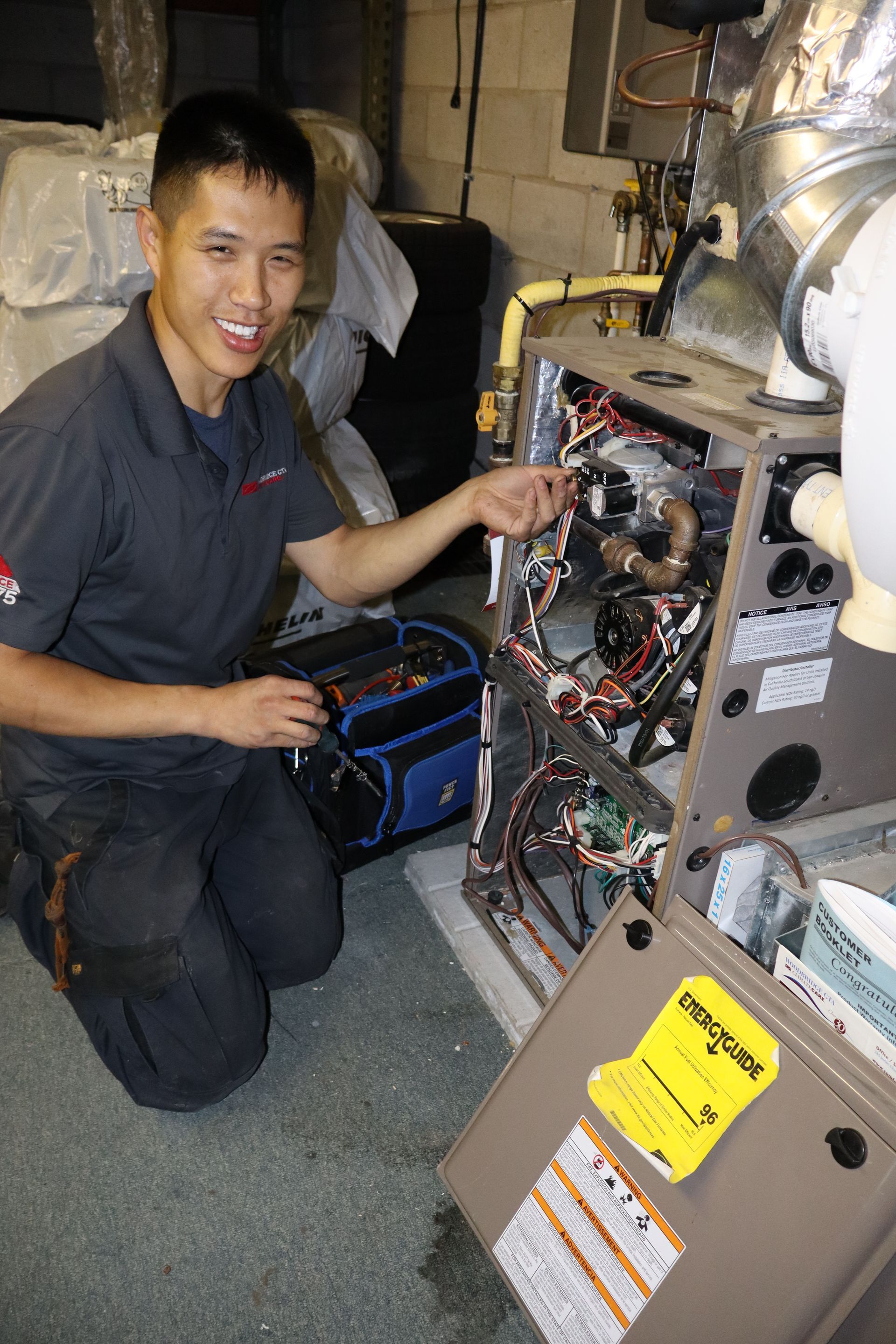
- Standard Furnace Tune-Up: This covers comprehensive electrical testing, burner assembly inspection, flame sensor cleaning, temperature rise measurements, and airflow checks, ensuring your equipment operates efficiently through cold weather.
- Comprehensive Annual Maintenance: A top-to-bottom service appointment that combines combustion analysis, precision gas pressure adjustments, blower wheel cleaning, condensate line clearing, and minor part replacements or safety adjustments.
Investing in dedicated furnace maintenance ensures that minor component wear is identified long before it leads to system lockouts during extreme cold snaps.
Comparing One-Time Visits to Annual Furnace Maintenance Cost Plans
Homeowners often weigh the difference between booking a standalone service call each autumn and enrolling in an ongoing protection agreement. While a single tune-up satisfies short-term seasonal preparation, annual plans provide sustained protection, lower long-term repair expenses, and priority scheduling during sudden cold snaps.
Enrolling in structured WeCare maintenance and protection plans can help you plan for maintenance and repairs. Confirm the coverage, exclusions and discounts available under your selected plan.
How Fuel Type Impacts Annual Furnace Maintenance Cost
The energy source powering your heating system directly influences service time, required diagnostic tools, and total labor costs. Different fuels leave behind distinct operational residues and rely on unique mechanical assemblies.
- Natural Gas Furnaces: The standard choice across the Greater Toronto Area. Maintenance centers on checking combustion efficiency, inspecting the gas manifold, clearing burner orifices, and evaluating the heat exchanger for stress fractures.
- Electric Furnaces: Because electric systems do not burn fuel or produce toxic exhaust, they require no combustion analysis or flue inspection. Technicians focus primarily on heating element sequencing, high-limit switches, electrical contactors, and blower motor amperage.
- Oil Heating Systems: Oil furnaces generate soot and residue, demanding extensive burner overhauls, oil filter swaps, nozzle replacements, and thorough heat exchanger brushing, which increases labor time.
- High-Efficiency Condensing Furnaces (90%+ AFUE): Modern high-efficiency systems feature secondary heat exchangers, sealed combustion chambers, draft inducers, and intricate condensate drainage networks. These additional components can affect the time needed for testing and cleaning.
Key Factors Influencing Furnace Service Pricing and Timing

Furnace service rates fluctuate based on when you book, how old your equipment is, and how hard it has worked. Understanding these dynamics helps you secure the best rate while avoiding peak-season surcharges.
- Seasonal Demand Patterns: The HVAC calendar experiences severe demand spikes during the first deep freeze of winter. Ask your local provider whether pre-season appointments or current promotions offer better pricing.
- Emergency vs. Scheduled Calls: Ask about after-hours charges when comparing scheduled maintenance with emergency service. Check whether your selected plan covers those charges.
- Equipment Age and Complexity: Older furnaces may require more inspection time. Aging wiring, corroded fasteners, and hard-to-source components require delicate handling and extended diagnostic testing.
- Regional Labor and Operating Costs: Metropolitan centers with higher operational overhead, such as the Greater Toronto Area, reflect local skilled-trade labor rates in their service calls compared to rural areas.
Checking our latest seasonal HVAC offers allows you to secure pre-season tune-up appointments at optimal promotional pricing before winter arrives.
Standard Tune-Up Checklist vs. What Requires Repair
A professional tune-up is designed to clean, calibrate, and verify that your system is running safely. It ensures operating parameters match manufacturer specifications, but it is distinct from mechanical repair work. If a technician discovers worn, cracked, or failing parts, those repairs must be quoted and addressed separately.
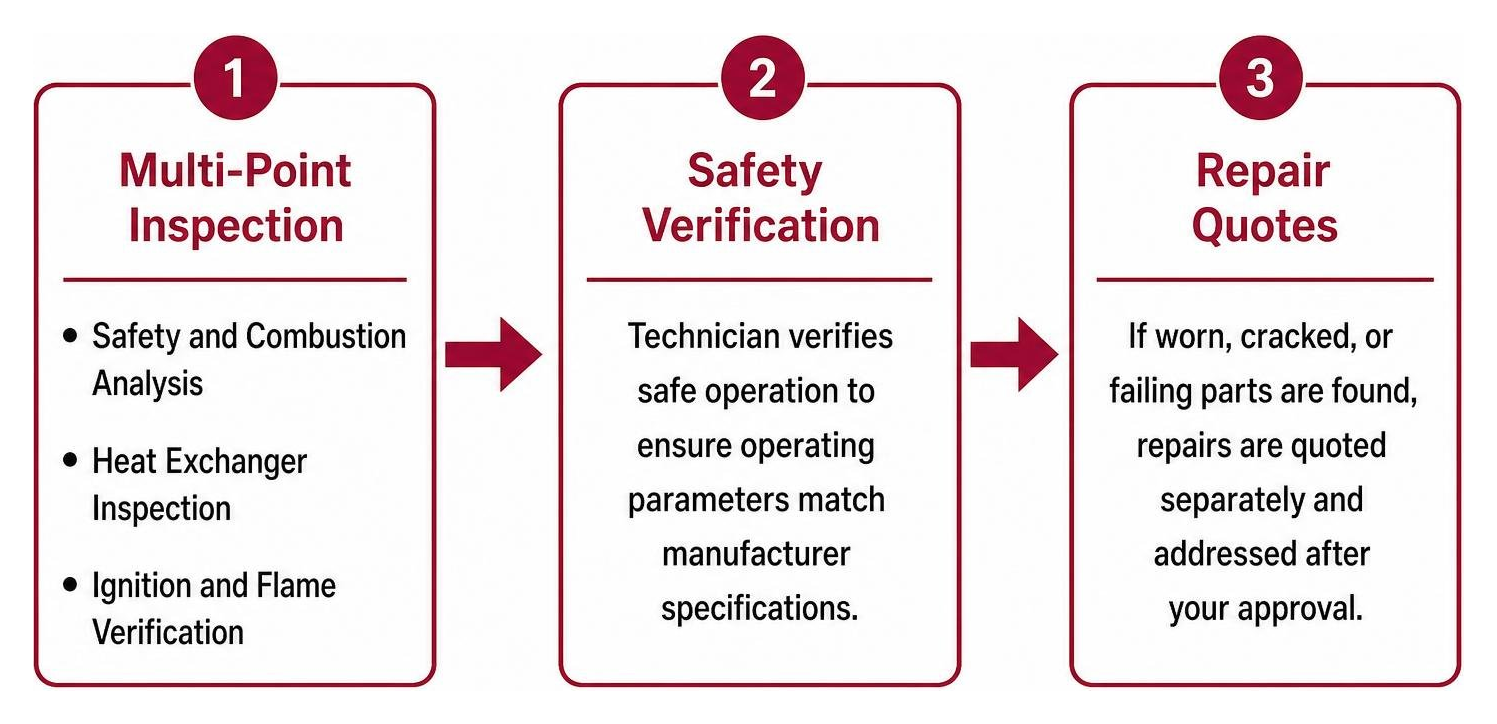
During a standard multi-point inspection, a licensed technician completes several essential procedures:
- Safety and Combustion Analysis: Testing draft pressure, flue gas venting, safety limit switches, and carbon monoxide levels to verify safe operation.
- Heat Exchanger Inspection: Checking the primary and secondary heat exchangers for cracks, rust, or metal fatigue that could leak dangerous exhaust into your home.
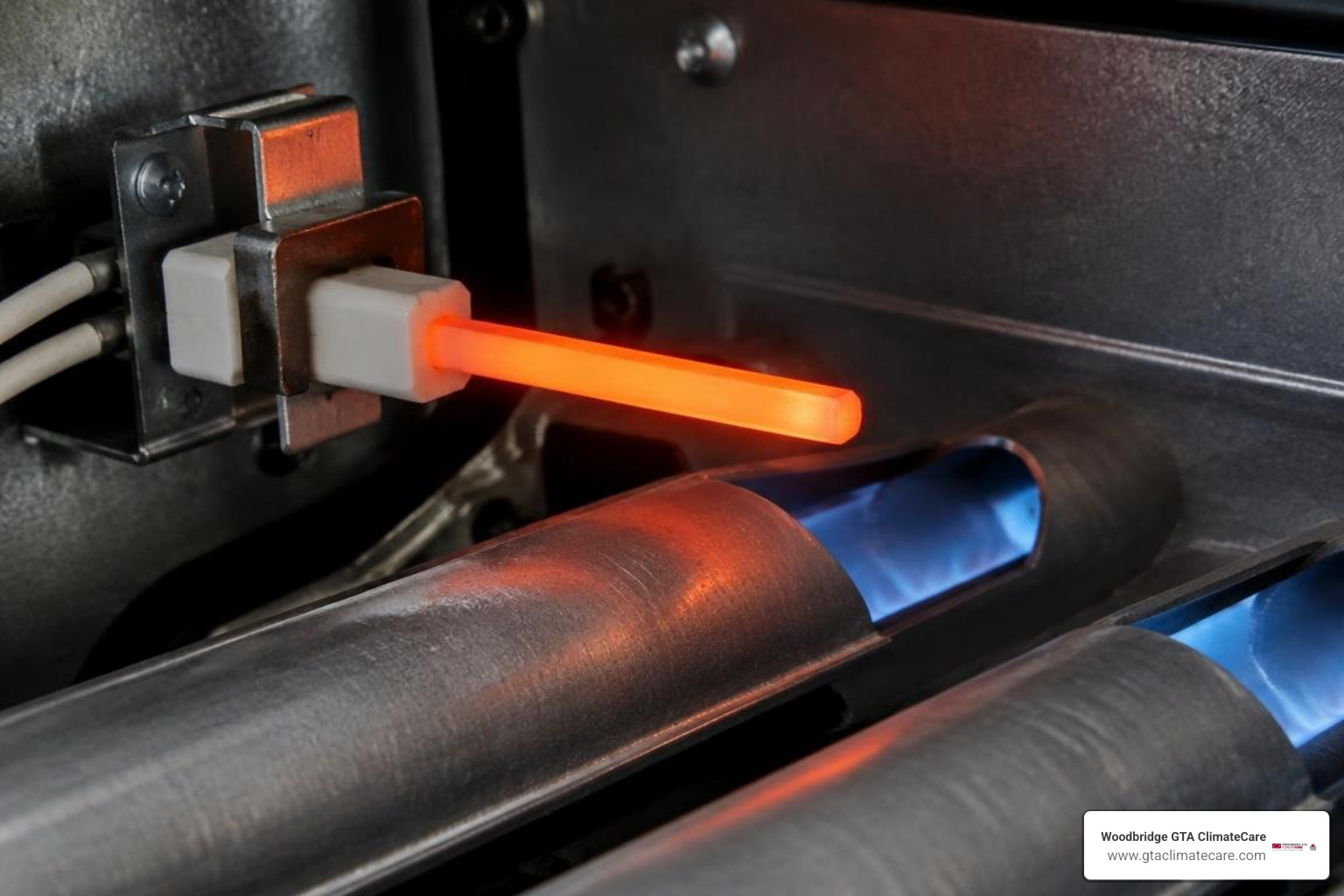
- Ignition and Flame Verification: Cleaning the flame sensor rod, inspecting hot-surface igniters for resistance changes, and adjusting burner alignment for smooth ignition.
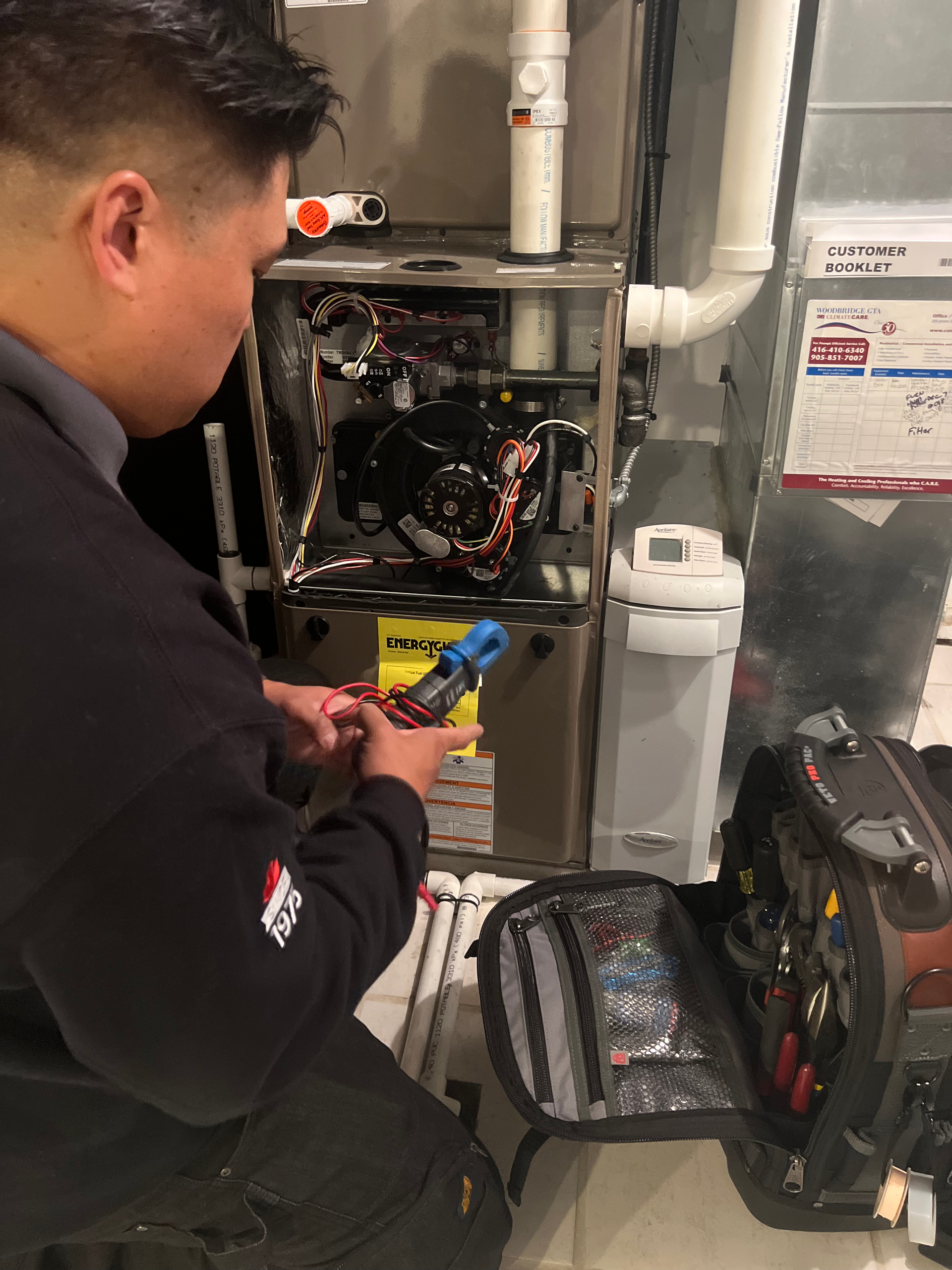
- Electrical and Mechanical Calibration: Measuring blower motor amperage, testing electrical capacitors, tightening loose wiring terminals, and calibrating thermostat communications.
If an inspection reveals a cracked hot surface ignitor, a failing blower capacitor, or an obstructed inducer motor, your technician will recommend an immediate furnace repair to prevent mid-season lockouts.
While simple tasks like replacing a standard 1-inch pleated air filter are safe for homeowners, attempting complex electrical diagnostics or gas manifold adjustments without proper licensing can create severe safety hazards. Reviewing our guide on critical professional HVAC repairs clarifies which heating tasks always require certified technicians.
Preventive Maintenance vs. the Cost of Neglect
Skipping an annual furnace tune-up saves the tune-up fee this season, but leaves developing problems unchecked. Dirty blowers, burner deposits and incorrect fuel pressure can impair performance and increase energy use.
Furthermore, industry data shows that nearly 90% of sudden furnace breakdowns stem directly from a lack of regular preventive maintenance. When dirt builds up on sensors and motors struggle against restricted airflow, small issues compound into major component failures.
Compare the local cost of maintenance with your furnace’s condition, repair history and available plan coverage. Maintenance can help identify developing problems, but it does not guarantee a particular repair bill or equipment lifespan.
If your heating system is already past the 15-year mark and facing steep repair estimates, reviewing key buying a new furnace considerations will help you make an informed decision between repairs and replacement. When replacement is the most cost-effective path forward, opting for an energy-efficient furnace installation ensures lower utility bills and reliable performance for years to come.
Frequently Asked Questions About Furnace Maintenance Pricing
How often should a furnace be serviced to keep warranties valid?
Most major equipment manufacturers require documented professional maintenance once every 12 months to keep parts and heat exchanger warranties valid. If an internal component fails prematurely and you cannot provide service records from a licensed HVAC provider, the manufacturer may deny warranty claims for replacement parts. Annual service ensures all safety devices are tested and keeps your warranty protection intact.
How much money does annual furnace maintenance actually save on energy bills?
A tune-up can help address issues that waste energy, such as dirty components or incorrect operating settings. Savings depend on the furnace’s condition, household usage and local energy rates; a fixed annual saving or full recovery of the maintenance fee is not guaranteed.
What are the main signs that a furnace needs immediate maintenance or replacement?
Your furnace will usually show warning signs before shutting down completely:
- Uneven Heating and Temperature Fluctuations: Rooms staying chilly while the furnace runs continuously indicate restricted airflow or failing blower calibration.
- Burner Flame Discoloration: A healthy natural gas burner burns with a steady, crisp blue flame. A yellow, wavering, or flickering flame indicates incomplete combustion and potential carbon monoxide production.
- Frequent Short Cycling: If your furnace turns on and off every few minutes without reaching your thermostat setpoint, it may be overheating due to restricted airflow or a dirty flame sensor.
- Unusual Operational Noises: Squealing belts, grinding motor bearings, or loud booming on ignition signal mechanical wear that needs prompt attention.
- System Age Over 15 Years: Older units that require frequent repairs and drive up heating bills are often nearing the end of their service life.
Conclusion
Protecting your home against freezing winter weather requires dependable heating performance, safe combustion, and predictable operating costs. An annual furnace tune-up delivers peace of mind by catching small component issues before they turn into emergency breakdowns on the coldest night of the year.
For dependable annual furnace maintenance in Woodbridge, Vaughan, or elsewhere in the GTA, contact Woodbridge GTA ClimateCare to book a service appointment. Our certified technicians provide thorough inspections backed by a 100% satisfaction guarantee, helping you prepare your heating system for the season ahead.