Water Heater Issues: When to Call a Professional
Water Heater Repair: When to Seek Professional Service
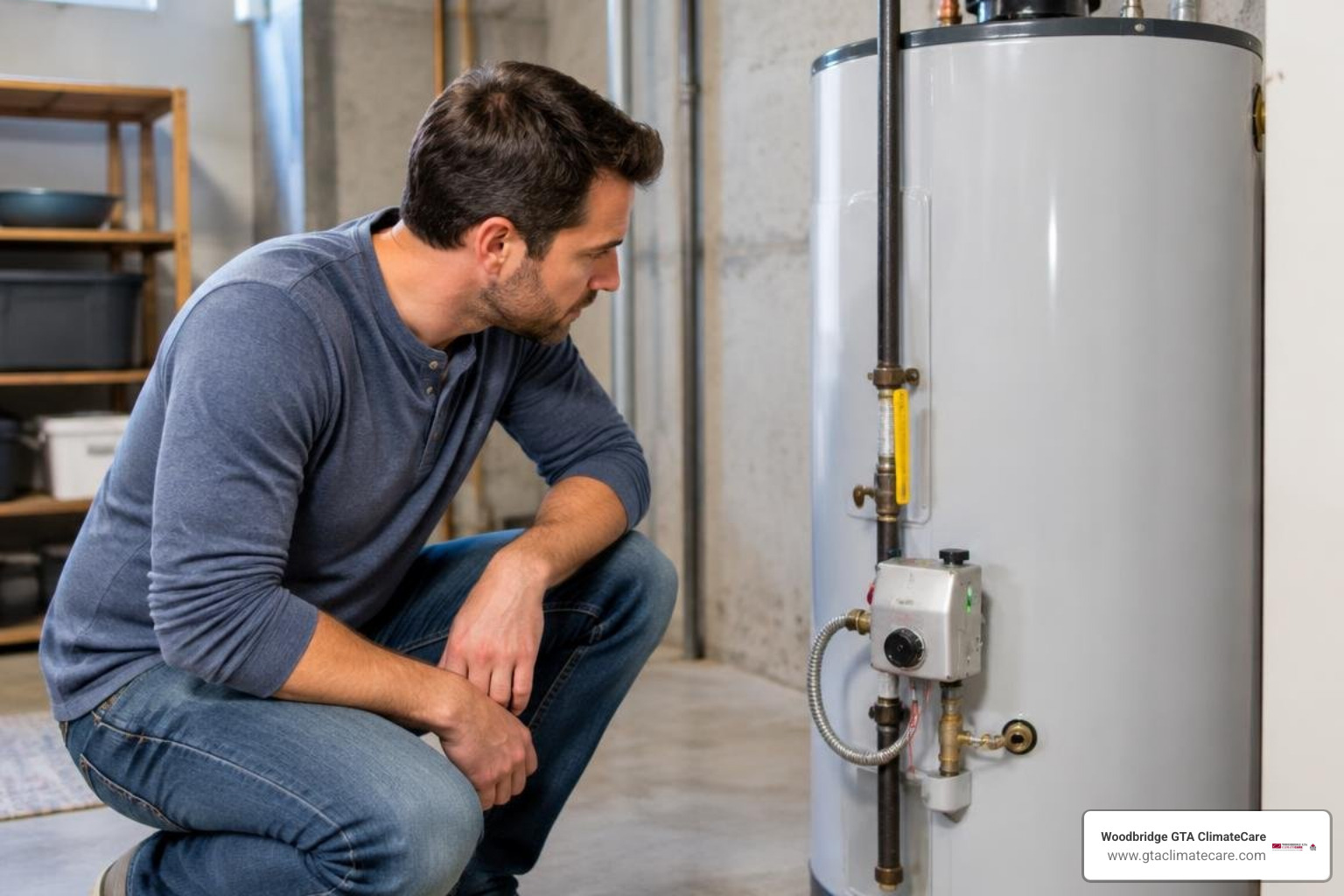
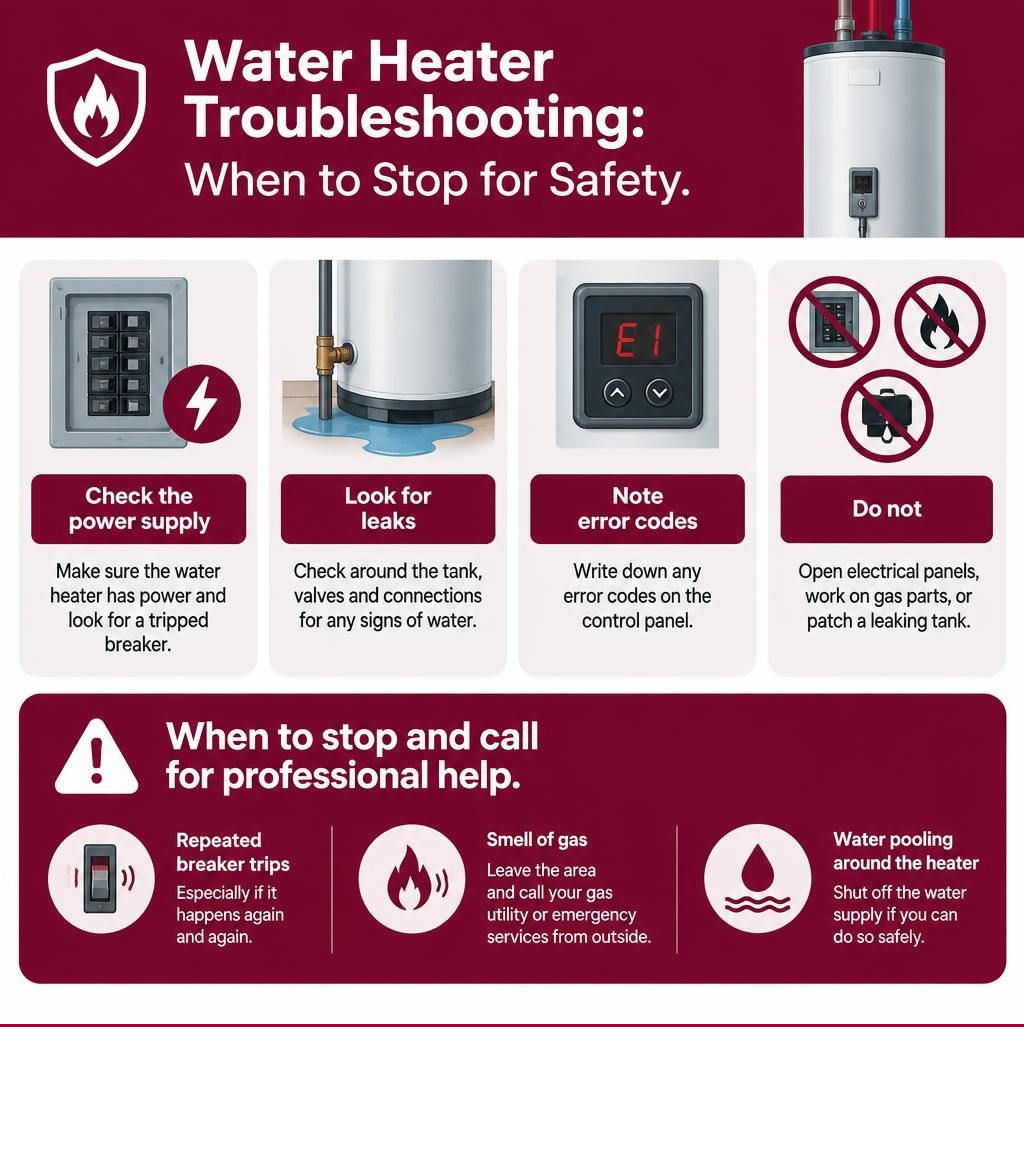
Start by contacting a professional. If you have no hot water, contact Woodbridge GTA ClimateCare to assess the electrical supply or gas-unit diagnostics. Look for visible leaks and note any error codes. Do not open electrical panels, work on gas parts, or try to patch a leaking tank.
A tripped water heater breaker needs professional assessment, especially if it trips repeatedly. If you smell gas, leave the area and call your gas utility or emergency services from outside. If water is pooling around the heater, shut off its water supply if you can do so safely.
This guide explains where beginners should stop and call a professional for water heater repair.
Common Water Heater Problems and How to Spot Them Early
Few things wake you up faster than stepping into what you expect to be a steaming shower, only to be greeted by an icy blast. When your system acts up, identifying the symptoms early can mean the difference between a simple tune-up and an unexpected basement flood.
Most household water heating problems stem from mineral buildup, component wear, or pressure imbalances. Understanding how your unit functions—and paying attention to early warning signs—keeps minor glitches from turning into catastrophic failures.
Lukewarm or Inconsistent Hot Water Issues
If your water is only getting lukewarm, or if the temperature swings wildly from comfortable to freezing, several culprits might be at play.
In electric units, this issue often points to a failed upper or lower heating element, or a malfunctioning thermostat. Electric tanks rely on two separate elements working in sequence. When the upper element burns out, the water stays completely cold because the upper thermostat never satisfies its cycle to trigger the bottom element. When the lower element fails, you get just enough hot water for a brief rinse before it turns frigid.
In gas systems, lukewarm water frequently traces back to low gas supply pressure, an improper burner flame, or heavy sediment accumulation covering the bottom of the tank.
Another common mechanical failure is a broken dip tube. The dip tube is a plastic pipe that directs incoming cold water straight to the bottom of the tank to be heated. When this tube cracks or disintegrates over time, cold water mixes directly with the hot water leaving the top of the tank, resulting in a lukewarm flow at your taps. Addressing these inconsistencies requires structured diagnostics and proper water heater repair rather than blindly swapping parts.
Strange Tank Noises, Rust, and Discoloration
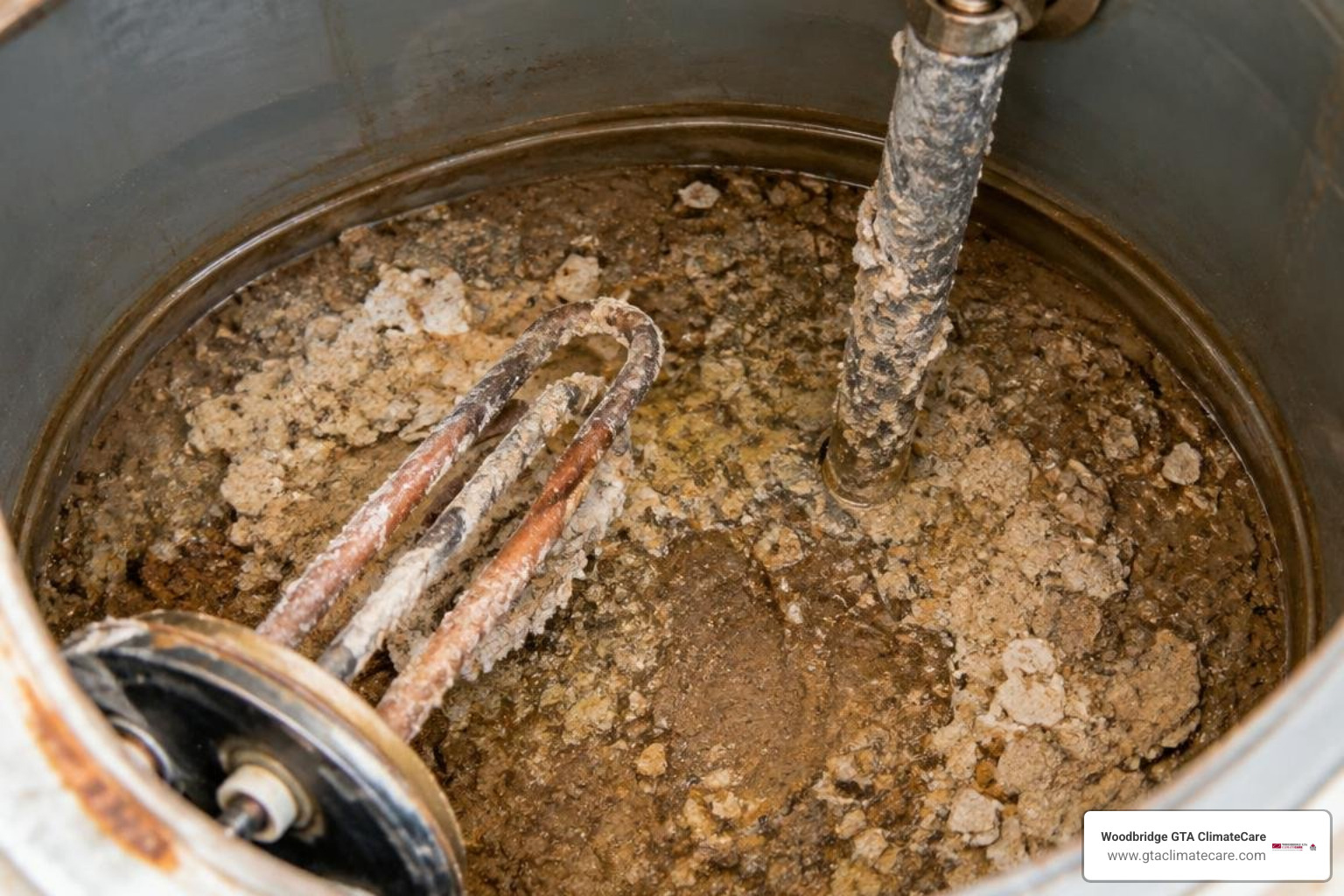
If your tank sounds like it is making popcorn or rumbling like a miniature kettle, you are hearing trapped water boiling beneath a heavy layer of mineral sediment. In regions with hard water, calcium and magnesium settle at the bottom of storage tank water heaters. This layer insulates the water from the heat source below, causing the metal tank bottom to overheat and boil pockets of water trapped under the scale.
Discolored or rusty water is an urgent red flag:
- Rust from the hot tap only: Indicates that the sacrificial anode rod has deteriorated and the interior steel walls of your tank are beginning to rust.
- Rust from both hot and cold taps: Usually points to incoming municipal supply lines or aging galvanized household plumbing.
- Rotten egg or sulfur odors: Caused by anaerobic bacteria reacting with magnesium anode rods inside the tank.
Replacing a degraded anode rod early can save your tank, but once internal rust flakes begin circulating, the tank's structural integrity is compromised.
Professional Water Heater Repair: When to Call an Expert
Tackling home maintenance can be rewarding, but water heater repair combines high-voltage electricity, pressurized water, and combustible fuel. Knowing your boundaries prevents costly property damage and personal injury.
Professional Checks: Breakers, Thermostats, and Anode Rods
A qualified technician can assess these common maintenance and troubleshooting needs:
- Assessing Tripped Breakers: If an electric unit stops heating entirely or its breaker trips, contact Woodbridge GTA ClimateCare for professional diagnosis.
- Reviewing Thermostat Settings: Ask a qualified technician to assess temperature settings and scald protection for your household.
- Interpreting Status Indicator Lights: Modern gas valves feature small LED lights that blink in specific diagnostic patterns, similar to error codes, that a technician can interpret during diagnosis.
- Inspecting and Replacing Anode Rods: Ask a qualified technician to inspect the sacrificial anode rod and determine whether replacement is needed to help protect the tank against corrosion.
High-Risk Gas and Electric Water Heater Repair Tasks
Certain tasks carry severe safety risks and should never be attempted without proper licensing and trade certifications. Reviewing guidelines on safe heating and cooling repair practices makes it clear why DIY shortcuts on critical mechanical equipment often backfire.
- Gas Lines and Gas Control Valves: Replacing a gas valve involves breaking and reconnecting fuel lines. An improper seal can cause gas leaks or carbon monoxide accumulation.
- Venting and Flue Pipe Adjustments: Flue pipes remove combustion gases, including odorless, deadly carbon monoxide. Poor draft alignment or loose joints let these toxic fumes spill back into your living space.
- 240V Electrical Rewiring: Residential electric water heaters draw high voltage on dedicated circuits. Working inside the junction box without confirming complete disconnection creates life-threatening electrocution hazards.
- Tank Structural Welds: Never attempt to weld, braze, or patch a leaking tank seam. Pressurized hot water will tear through temporary patches, resulting in massive flooding.
Repair vs. Replace: How to Decide on an Aging System
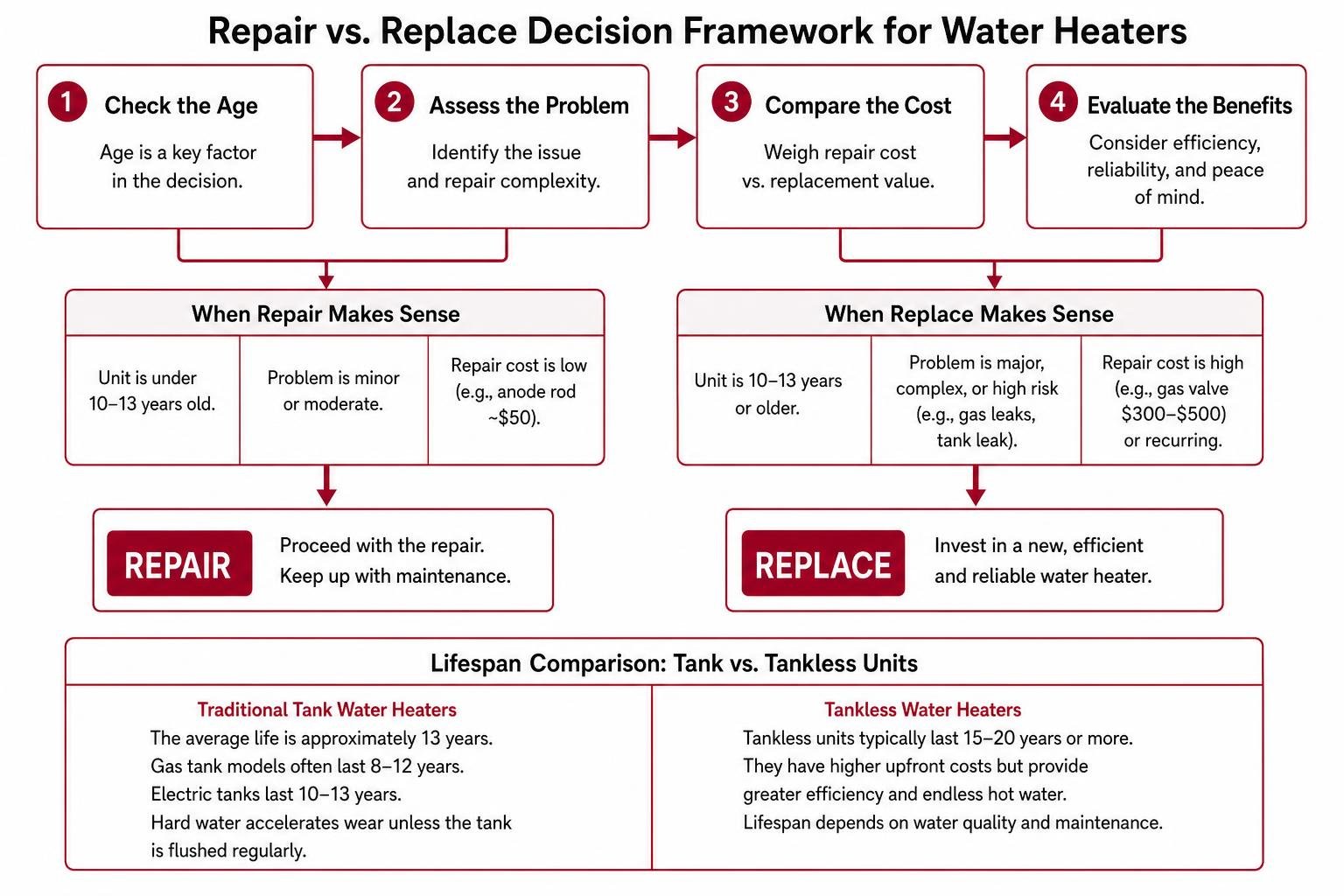
When faced with a breakdown, homeowners should discuss the unit's condition, efficiency and reliability with a qualified technician before choosing repair or replacement.
Lifespan Comparison: Tank vs. Tankless Units
How long your system lasts depends largely on equipment type, water quality, and maintenance habits:
- Traditional Tank Water Heaters: The average life of a water heater in North America is approximately 13 years, with gas tank models often showing fatigue between 8 and 12 years and electric tanks lasting closer to 10 to 13 years. Hard water accelerates wear unless the tank is flushed regularly.
- Tankless Water Heaters: Modern on-demand tankless water heaters boast an expected service life of 15 to 20 years (and sometimes up to 25 years with routine descaling). Because they heat water on demand rather than storing 40 to 60 gallons continuously, their primary heat exchangers avoid the constant corrosion that plagues traditional storage vessels.
Assessing Repair and Replacement Options
Ask a Woodbridge GTA ClimateCare technician to assess your water heater's age, condition and service history when discussing repair or replacement.
Ask a Woodbridge GTA ClimateCare technician to assess the component involved—whether a thermocouple, thermopile, electronic igniter, heating element, tankless heat exchanger, or recirculating pump. Ask which diagnostic and repair steps are needed.
Discuss an aging tank's condition and reliability with Woodbridge GTA ClimateCare to determine whether repair or replacement is appropriate.
What to Expect During a Professional Water Heater Service Visit
A professional service call is structured to quickly identify root causes rather than just treating superficial symptoms.
When our licensed technicians arrive at your home, the diagnostic and repair process typically takes 1 to 2 hours, provided standard replacement components are on hand.
Diagnostic Testing and Component Inspection
A thorough inspection covers every mechanical, electrical, and plumbing connection:
- Electrical Continuity & Resistance: Technicians use digital multimeters to test heating elements and thermostats under load, verifying that resistance matches exact factory wattage specifications.
- Pressure and Expansion Analysis: Using a dedicated pressure gauge (which measures incoming domestic pressure against household safety thresholds of 40 to 80 psi), we check whether closed plumbing loops require a thermal expansion tank or pressure-reducing valve.
- Combustion & Draft Testing: On gas appliances, technicians verify draft flow inside the chimney or power-vent pipe, clean the flame arrestor screen, and test the thermocouple millivolt output to ensure safe fuel shut-off operation.
- Temperature-Pressure Relief (TPR) Valve Check: The TPR valve is your water heater's ultimate safety release. We test this valve to ensure it opens smoothly and seats firmly without sticking or weeping.
Flushing and Routine Maintenance Procedures
Sediment removal is essential for peak efficiency. Tank water heaters require draining and flushing at least once per year—and every four months in areas with hard water. During maintenance, our team connects a high-temperature drain hose to clear heavy calcium deposits from the tank floor, inspects the anode rod, and checks all supply fittings for micro-leaks.
To keep your equipment running smoothly year-round, schedule routine water heater maintenance. For complete home peace of mind, our comprehensive protection and maintenance plans provide annual precision tune-ups and priority emergency response.
Frequently Asked Questions About Water Heater Maintenance and Repairs
How long does a water heater repair appointment take?
Most straightforward repairs take between 1 and 3 hours. Simple tasks like replacing a heating element, swapping a thermocouple, or installing a new TPR valve are completed quickly because service trucks carry standard universal parts. More complex tasks—such as replacing a specialized gas control valve or descaling a heavily fouled tankless heat exchanger—may take closer to half a day.
How often should a water heater be flushed?
Ask Woodbridge GTA ClimateCare to assess your water quality and recommend a professional tank-flushing schedule. Frequent flushing prevents the rock-hard scale buildup that insulates the bottom of the tank, overheats heating elements, and causes early tank bottom failure.
Can a leaking water heater tank be repaired?
If water is leaking from a threaded pipe fitting, the drain valve, or the temperature-pressure relief valve on top of the unit, those parts can easily be repaired or replaced. However, if water is pooling from the bottom seams or outer jacket of the tank itself, the internal glass lining has failed and the steel shell has rusted through. A leaking tank body cannot be safely repaired and must be replaced immediately to avoid sudden rupture and major water damage.
Conclusion
Your water heater is one of the hardest-working appliances in your home, quietly supplying hundreds of gallons of hot water every week. Recognizing early warning signs—like temperature swings, rumbling noises, and slow recovery times—helps you seek professional service before problems turn into major emergencies.
Breaker trips and thermostat concerns call for professional assessment, while high-voltage wiring, gas valves, and internal tank leaks require experienced, certified hands.
For over 50 years, our family-owned team at Woodbridge GTA ClimateCare has delivered prompt, reliable heating and cooling services across the Greater Toronto Area. Backed by our 100% satisfaction guarantee, we keep your home safe, warm, and comfortable in every season. When you need fast, dependable service, schedule professional service with our licensed technicians today.